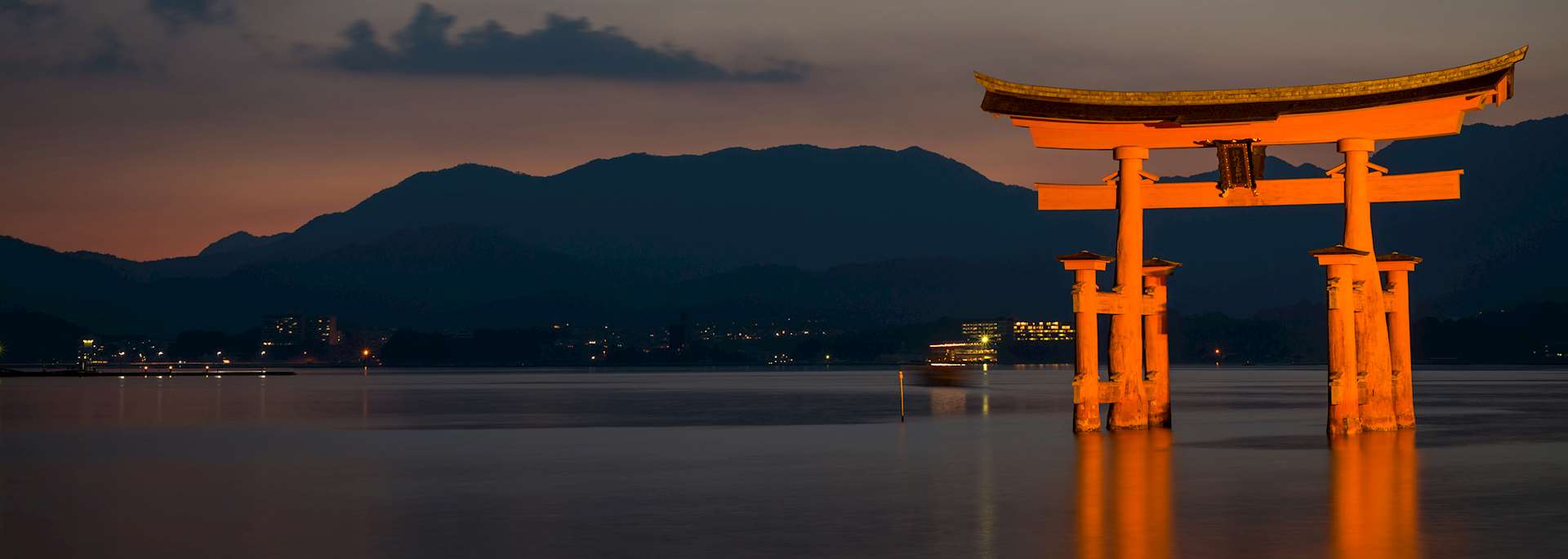
Itsukushima’s floating torii
At high tide the great gate appears to float; at low tide you can walk out to it. Either way, it is one of Japan’s most photographed — and still most affecting — sights.
Miyajima, or Itsukushima as it was formerly known, has been sacred to the Japanese since the inception of the first shrine on the island over 1,500 years ago.
At high tide the great gate appears to float; at low tide you can walk out to it. Either way, it is one of Japan’s most photographed — and still most affecting — sights.
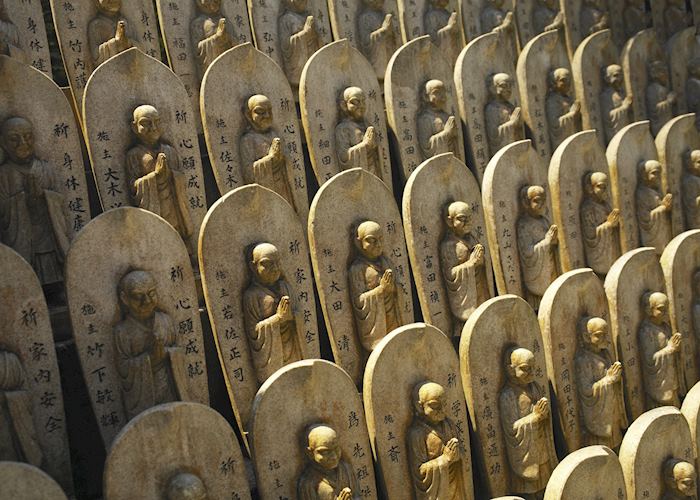
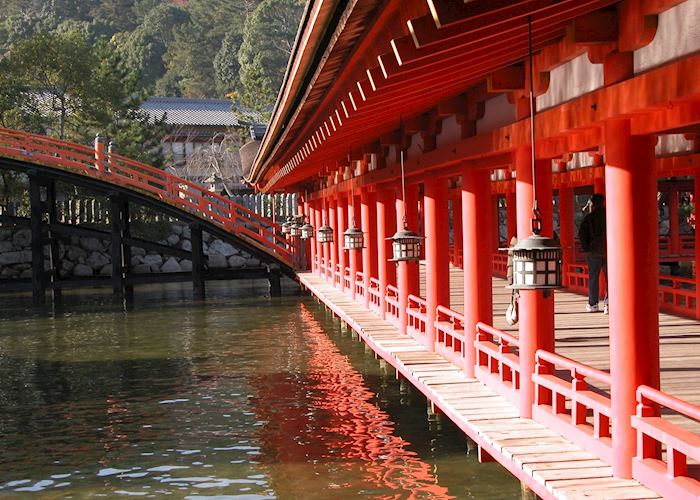
Beyond the shrine, paths lead to pagodas, stone Buddhas and the slopes of Mount Misen. Deer wander the waterfront as they have for centuries.
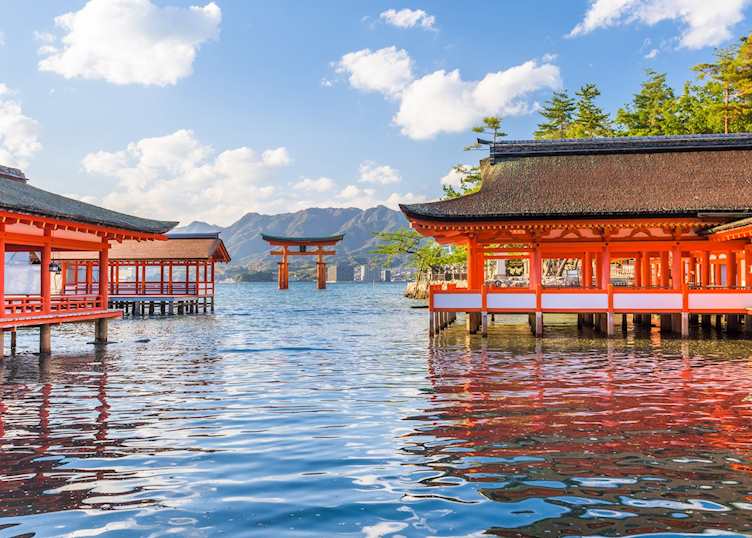
Day-trippers leave on the last ferries. A night in a ryokan means the torii and lanes after dark, and a quieter morning before Hiroshima’s mainland pace returns.
Miyajima is rewarding in any season, but spring blossom and November maples are the most vivid. Pair it with Hiroshima and you only need a short ferry crossing.
Our itineraries will give you suggestions for what is possible when you travel in Miyajima Island, and they showcase routes we know work particularly well. Treat them as inspiration, because your trip will be created around you.
Written by our specialists from their own experiences of visiting Miyajima Island, these guides will help you make the most of your time there.
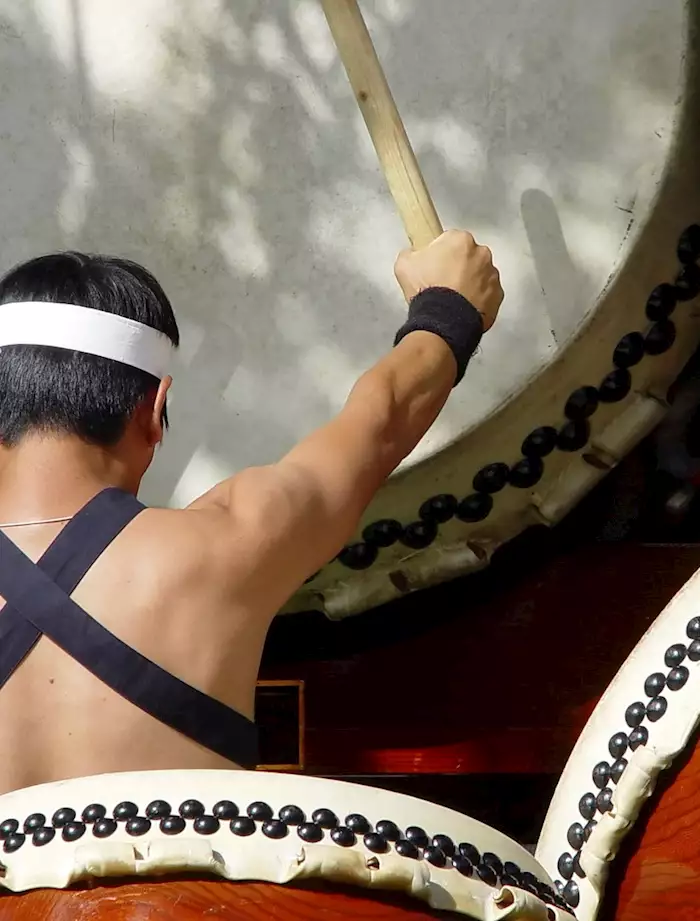
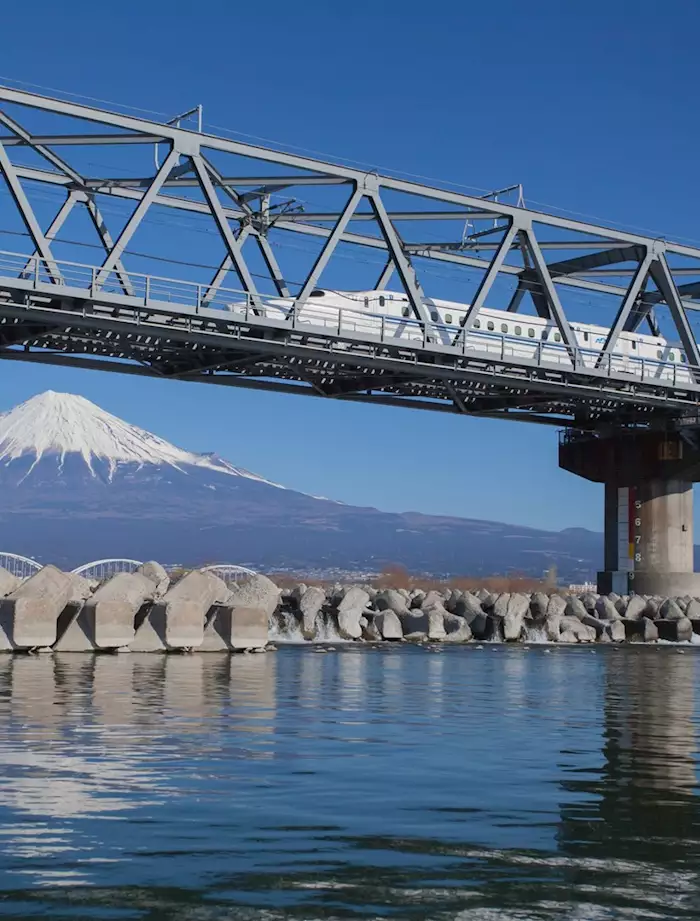
Having lived and travelled across the country, our Japan Specialist Caitlin has compiled her highlights, from observing centuries-old rituals to the learning about the most modern technology.
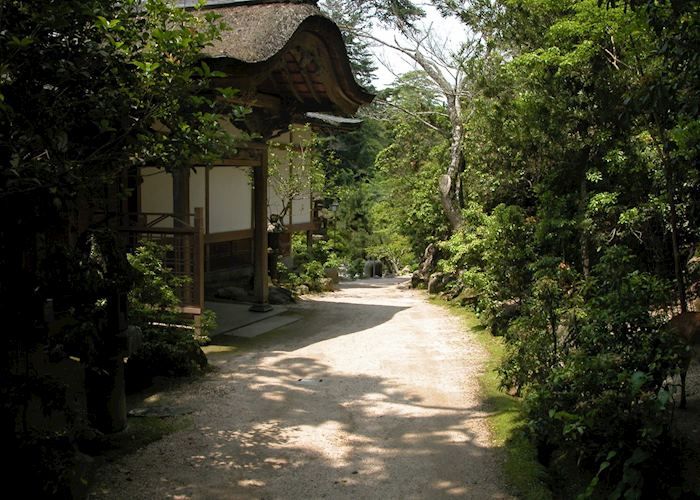
Miyajima Island · First Class
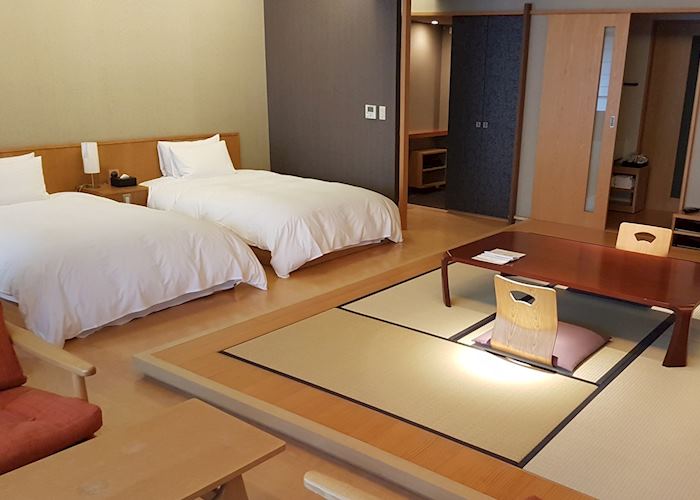
Miyajima Island · First Class
Covering all seven continents, The World Your Way shows you how you can see the world with us. It features trip ideas from our specialists alongside hand-picked stays and experiences, and introduces our approach to creating meaningful travel experiences.
Request a brochure